

-
Solution
Challenge We Tackle


Our Support




Most e-commerce problems are not a missing feature. They are a slow product page, a checkout that asks twice, a photo that does not answer the question, or a payment step that fails on the network people use. Each one looks small in a report and large to the person holding the phone.
The stores that recover pick one leak and close it. They time the path from product to payment. They remove a field. They show shipping and total before the last button. They make the same path work when traffic jumps, which is a cloud and engineering problem as much as a design one.
A cart is not abandoned. The path asked for more effort than the product was worth in that moment.
That framing keeps the work practical. Catalog structure, page speed, mobile layout, and the handoff to fulfillment all change whether the customer comes back. A campaign cannot cover a checkout that fails on a weekday evening.

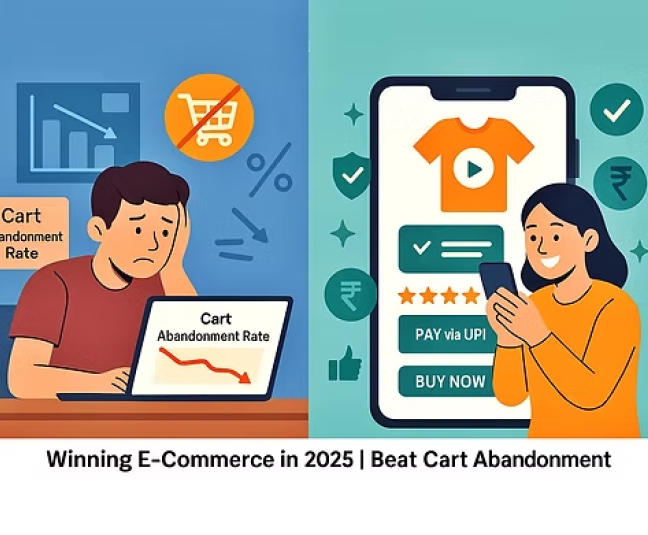
Start with the path a first-time buyer takes on a phone. Count the steps. Read the errors. Watch what happens when two people check out at once. Then fix the step that stops them. E-commerce growth is usually that sequence, repeated.
If this is the work in front of your team, start with a strategy session or look through our solutions.